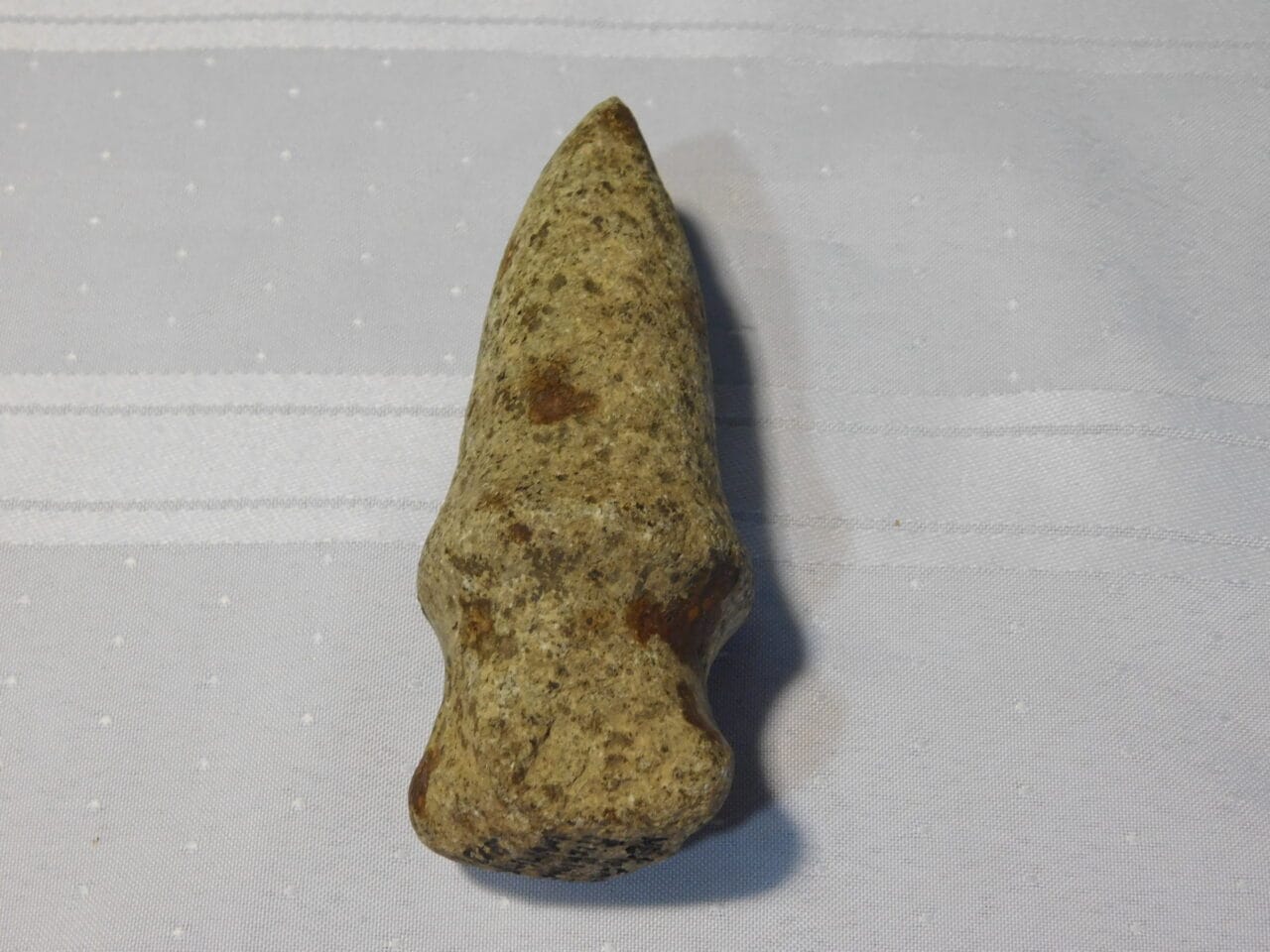
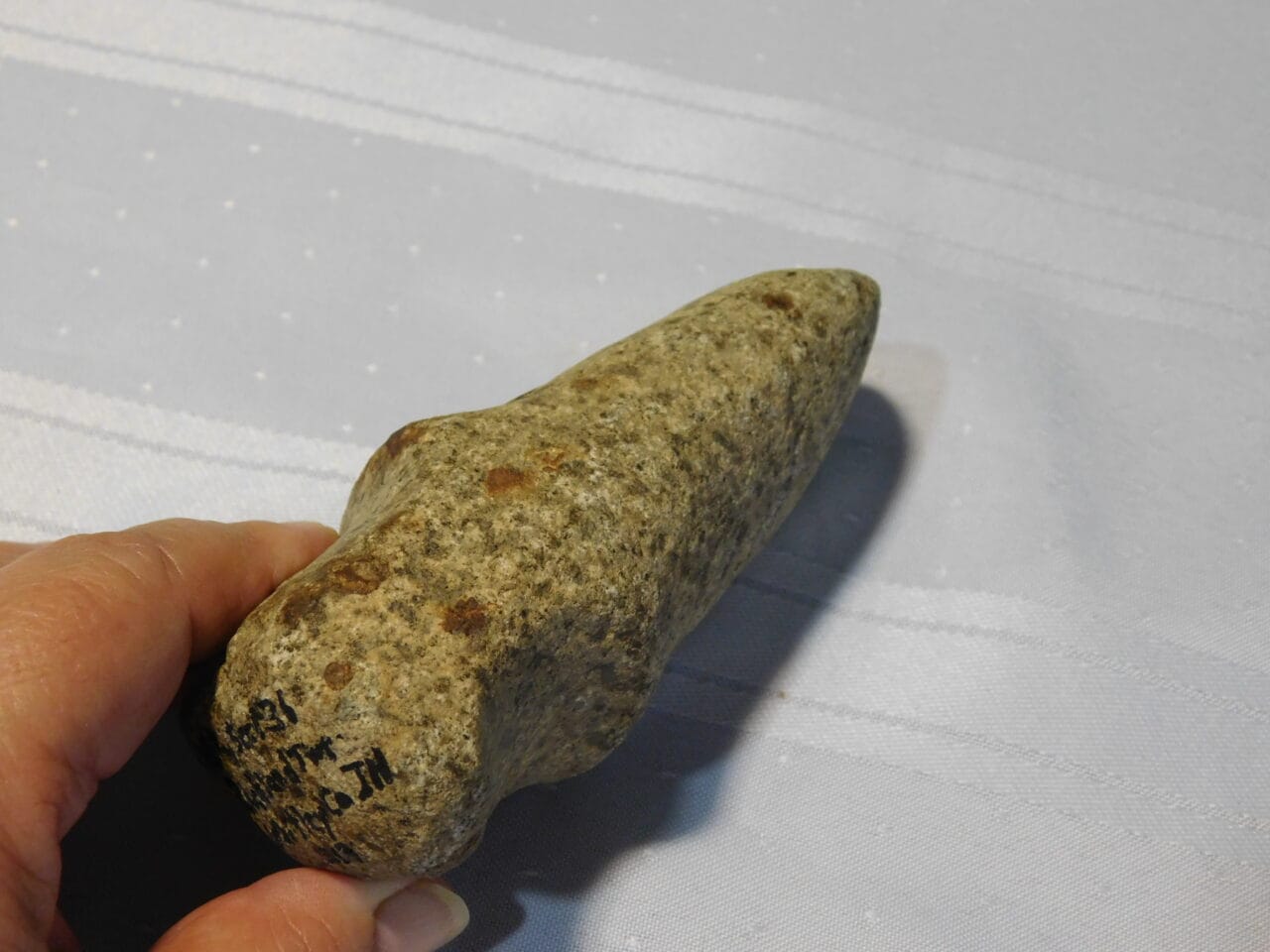
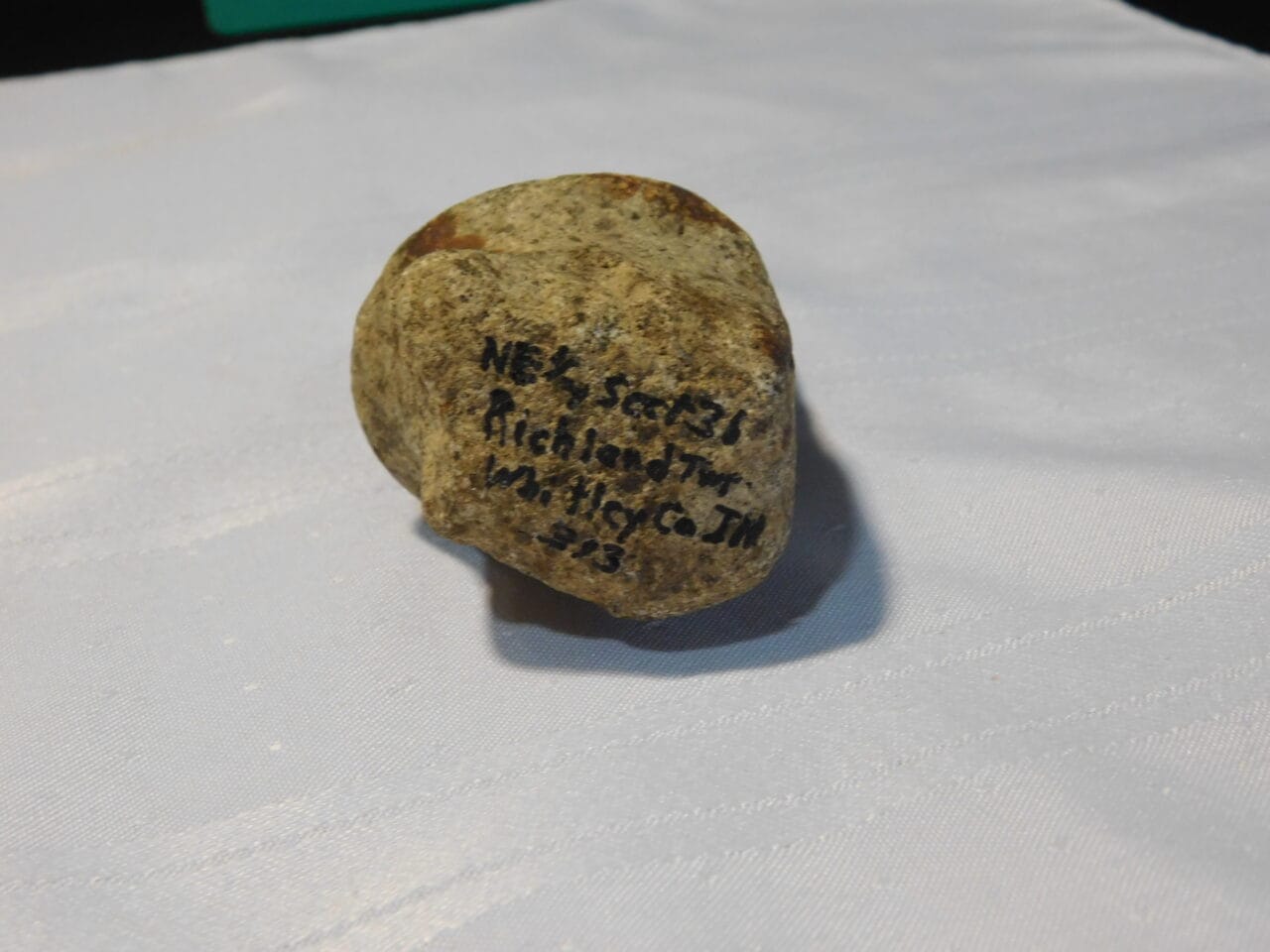
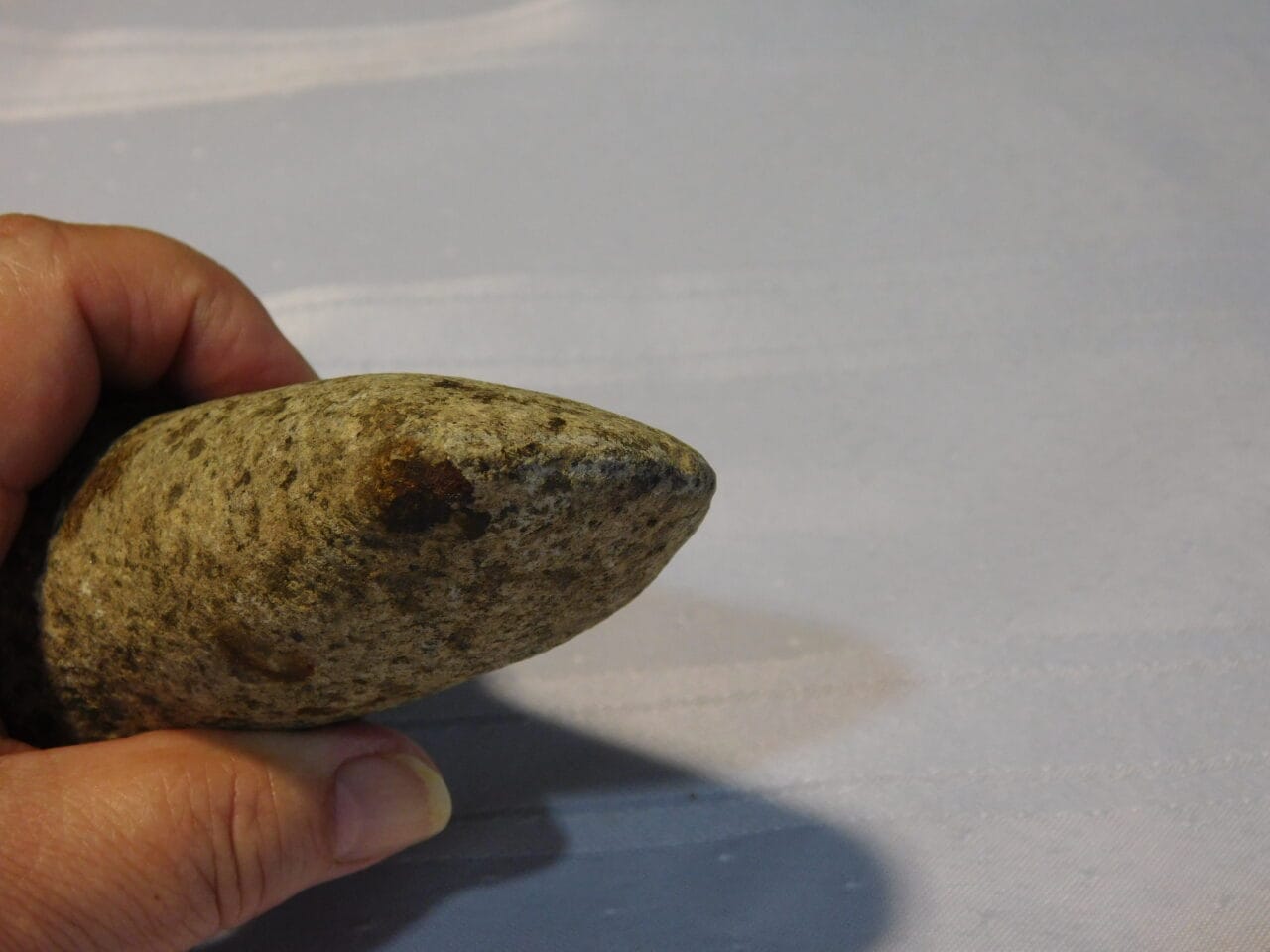
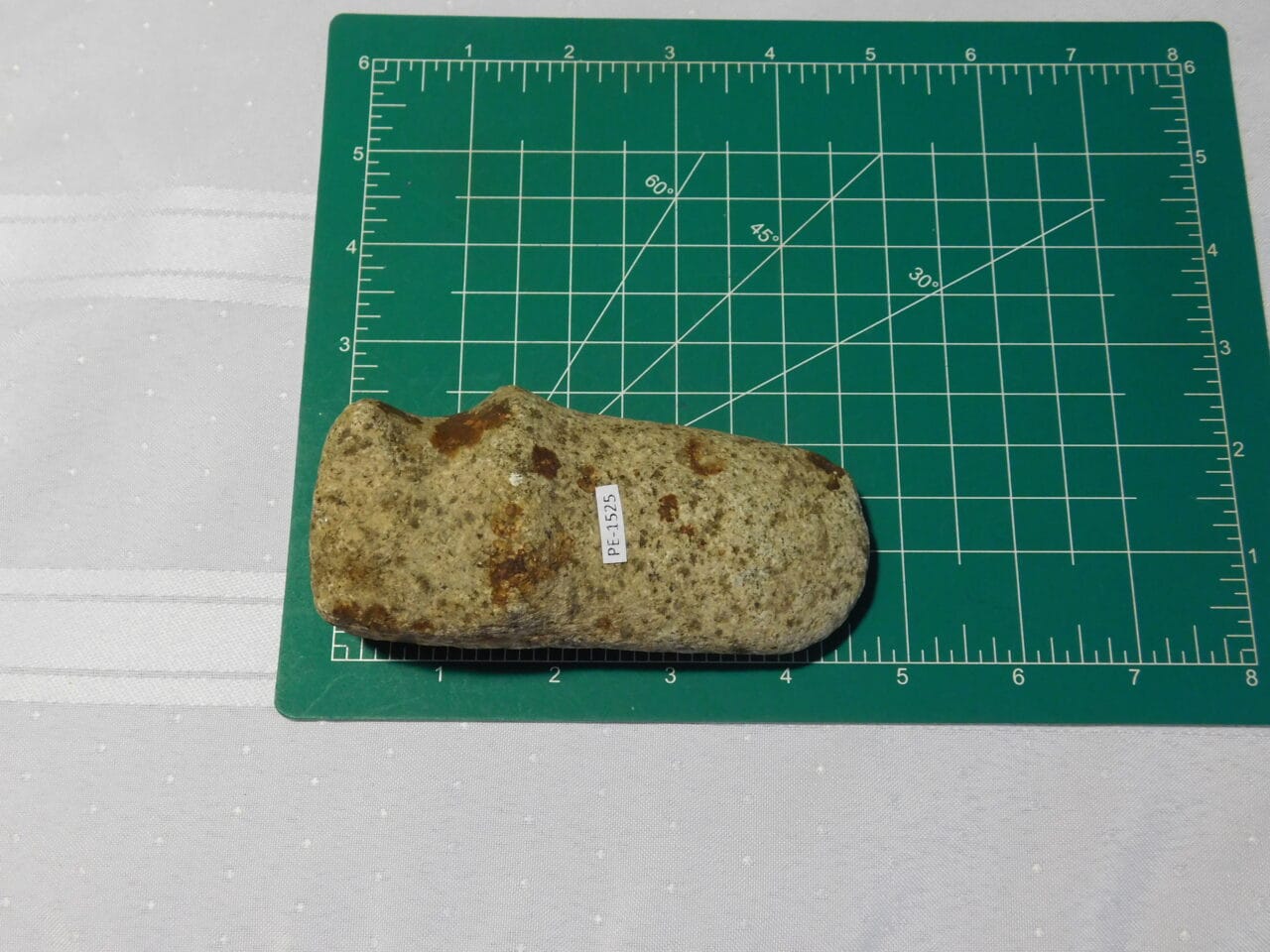
Description
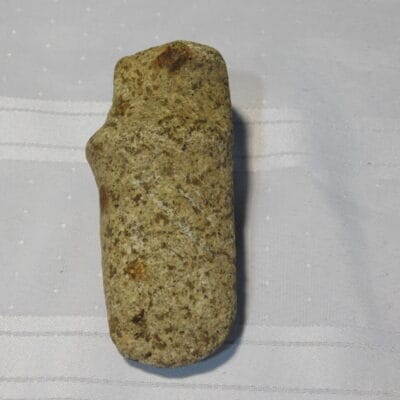
The earliest stone axes in North America date to the Early Holocene, ca. 10,000 BP, but they became far more numerous in the Middle and Late Holocene. In the eastern woodlands of North America, axes began to proliferate as the diet changed from a focus on hunting large-bodied animals to an increase in the use of plant and animal foods concentrated in river valleys. In particular, a shift in food procurement occurred ca. 5500-7000 BP to bulk-processing of foods like hickory nuts. Stone axes may have proliferated to manage nut-tree stands through the removal of undesirable tree species. However, they were used for other types of woodworking as well, and are found across most of North America.
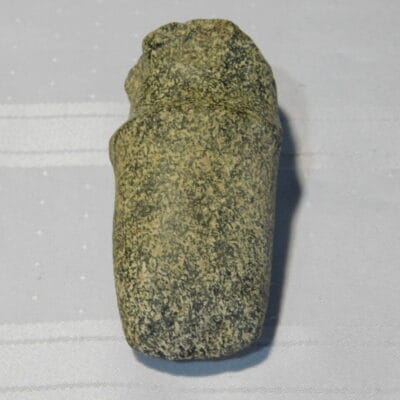
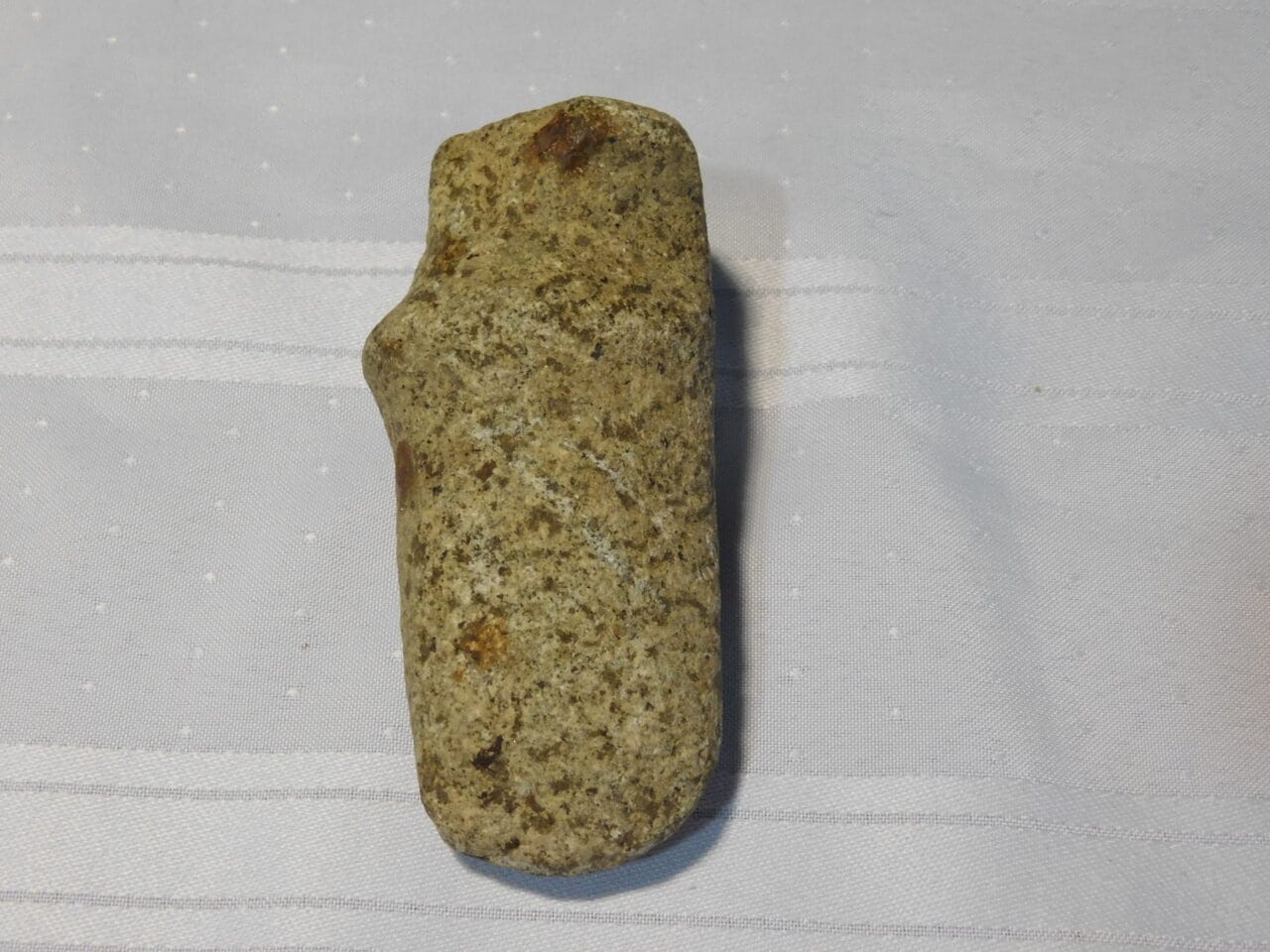
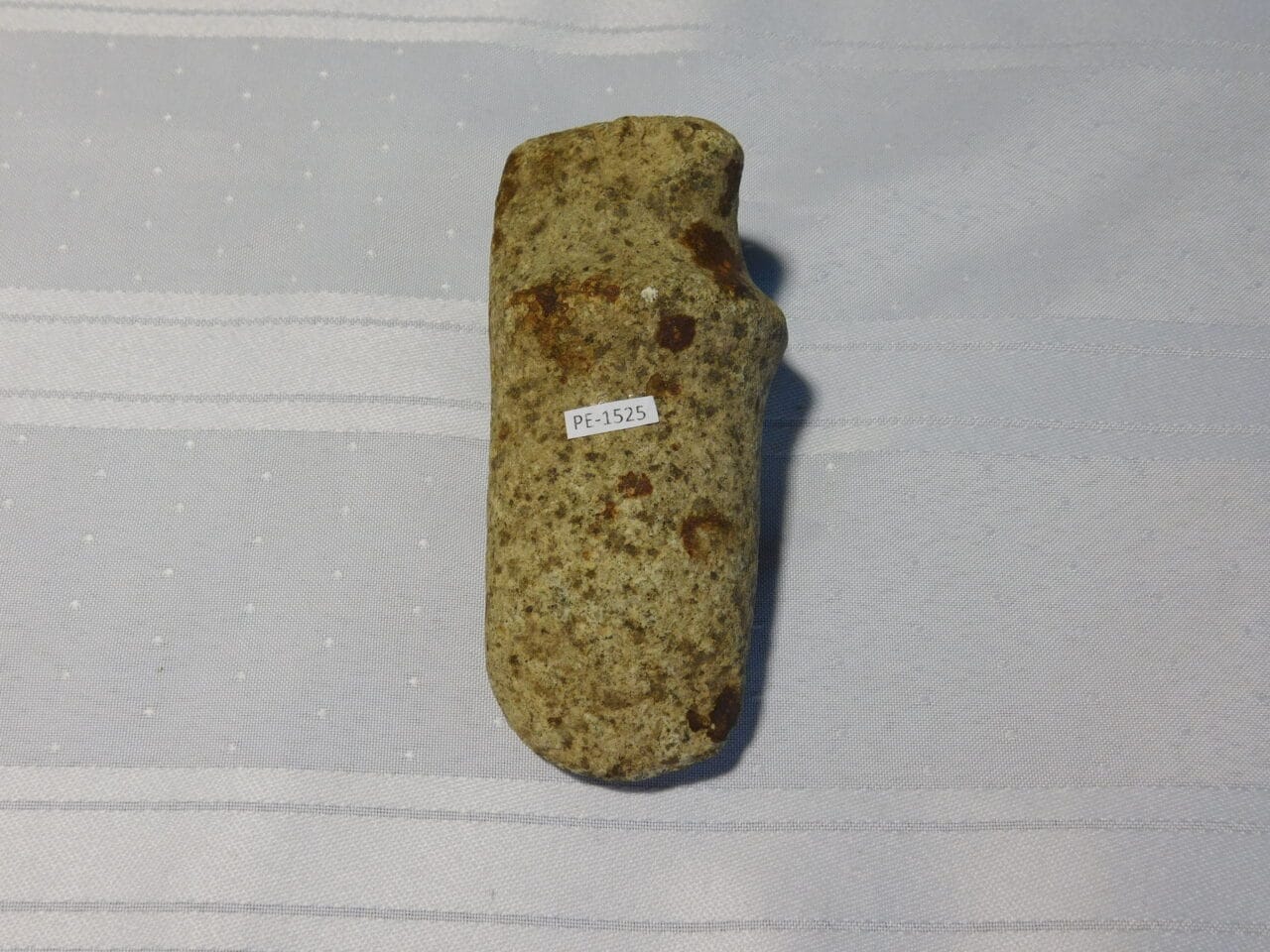
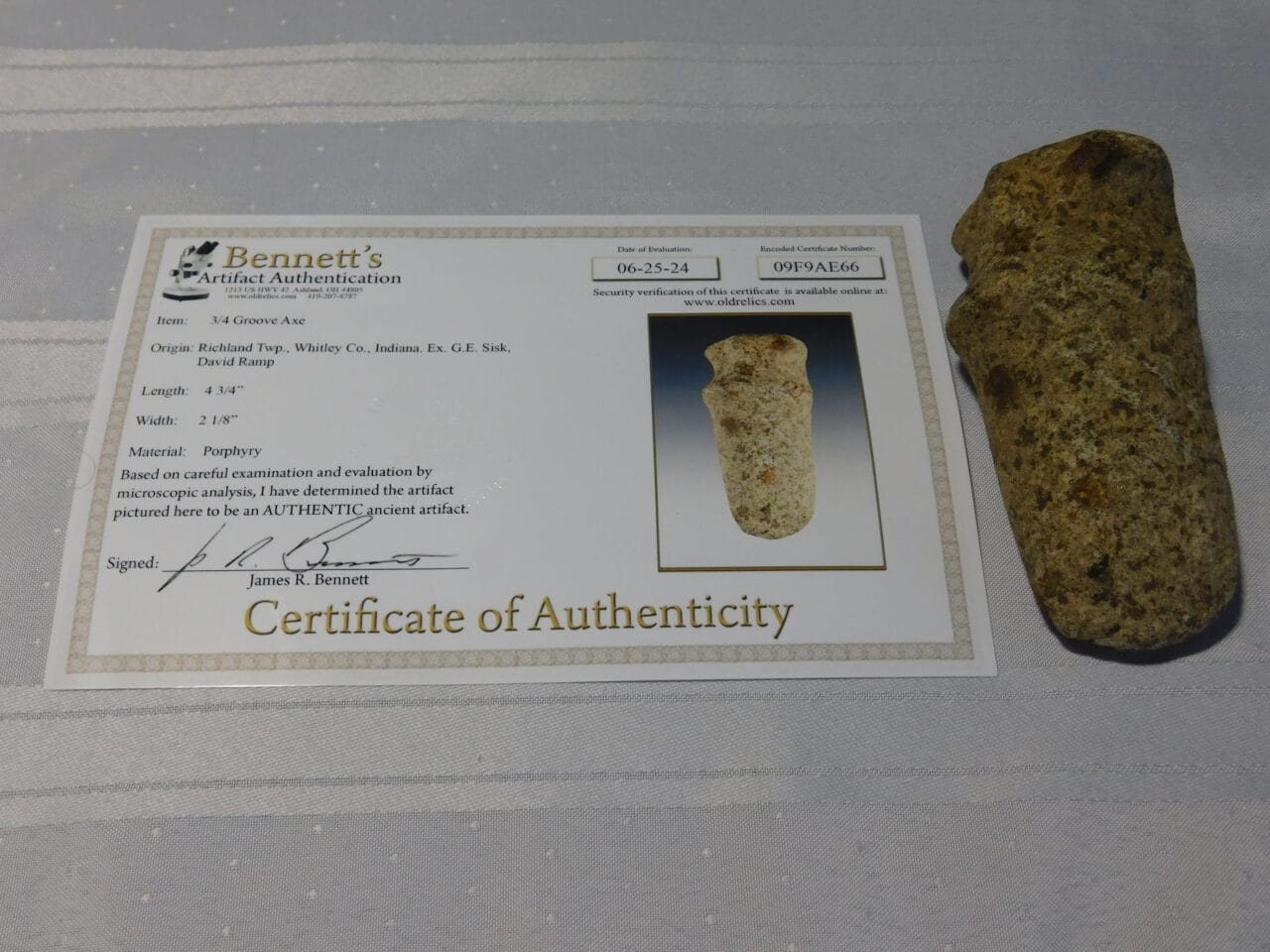
Flaked-stone axes lacking ground edges were made and used in various times and places, but edge-ground axes are more common in North America. These were made from hard igneous stones through a combination of pecking and grinding. A groove to receive a wrap-around handle was often pecked into the end opposite the sharpened cutting edge. Axes were either fully-grooved around their entire diameter, or grooved around 3/4 of the diameter with one side left flat. The groove on some axes was very expertly made, with raised rims around the boundaries of the groove. Axes were sometimes decorated with parallel pecked lines, referred to as ‘fluted’ axes. The butt-ends of some axes, called the ‘poll’, were often relatively flat and show signs of use as a hammer. Grooved stone hammers—with polls at both ends—were also made.