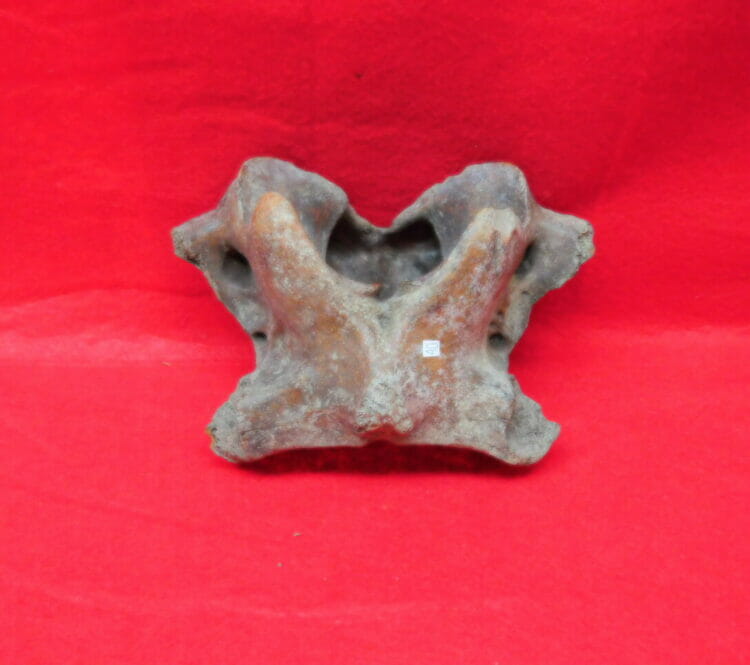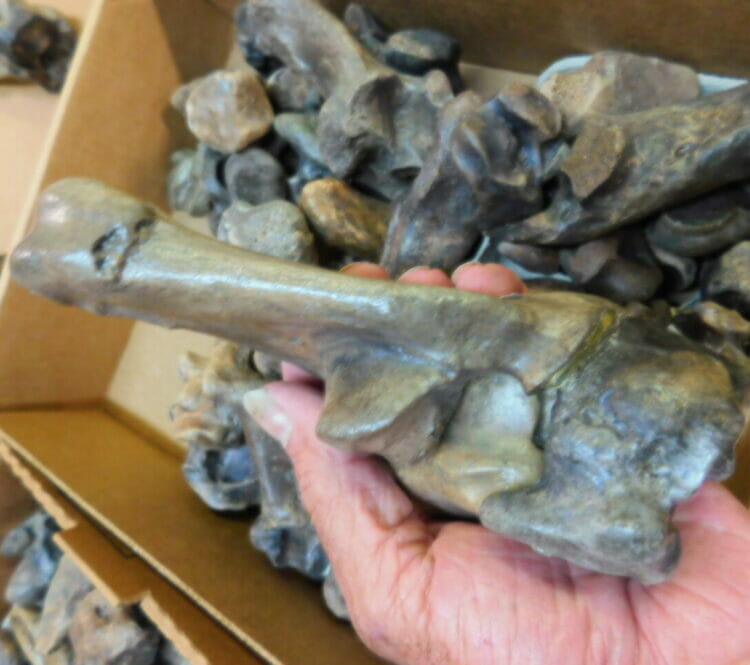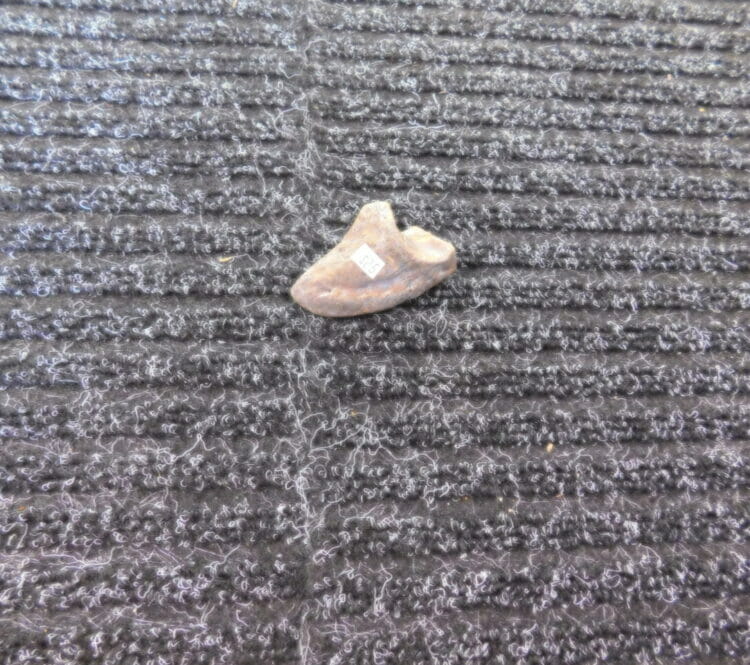
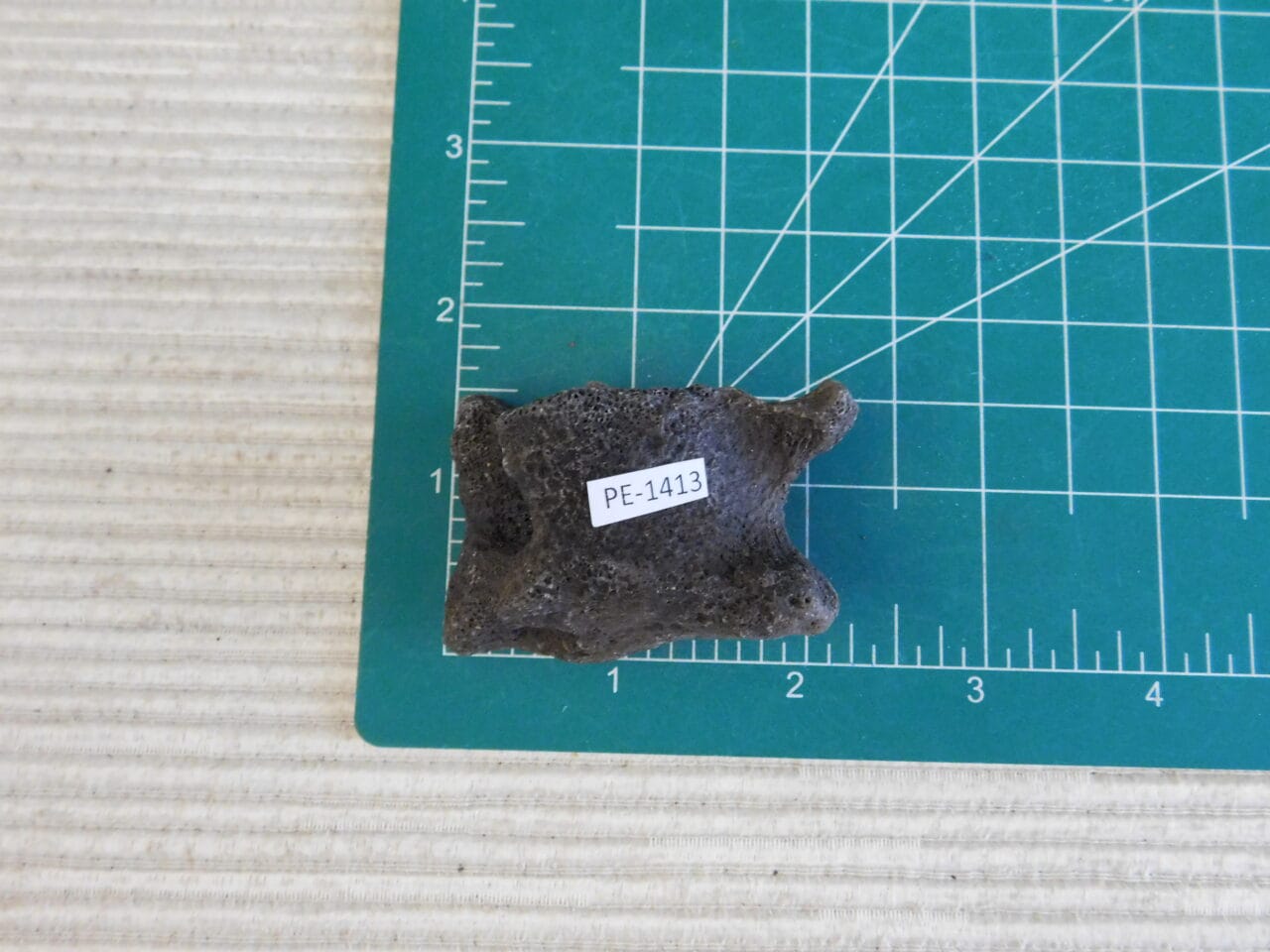
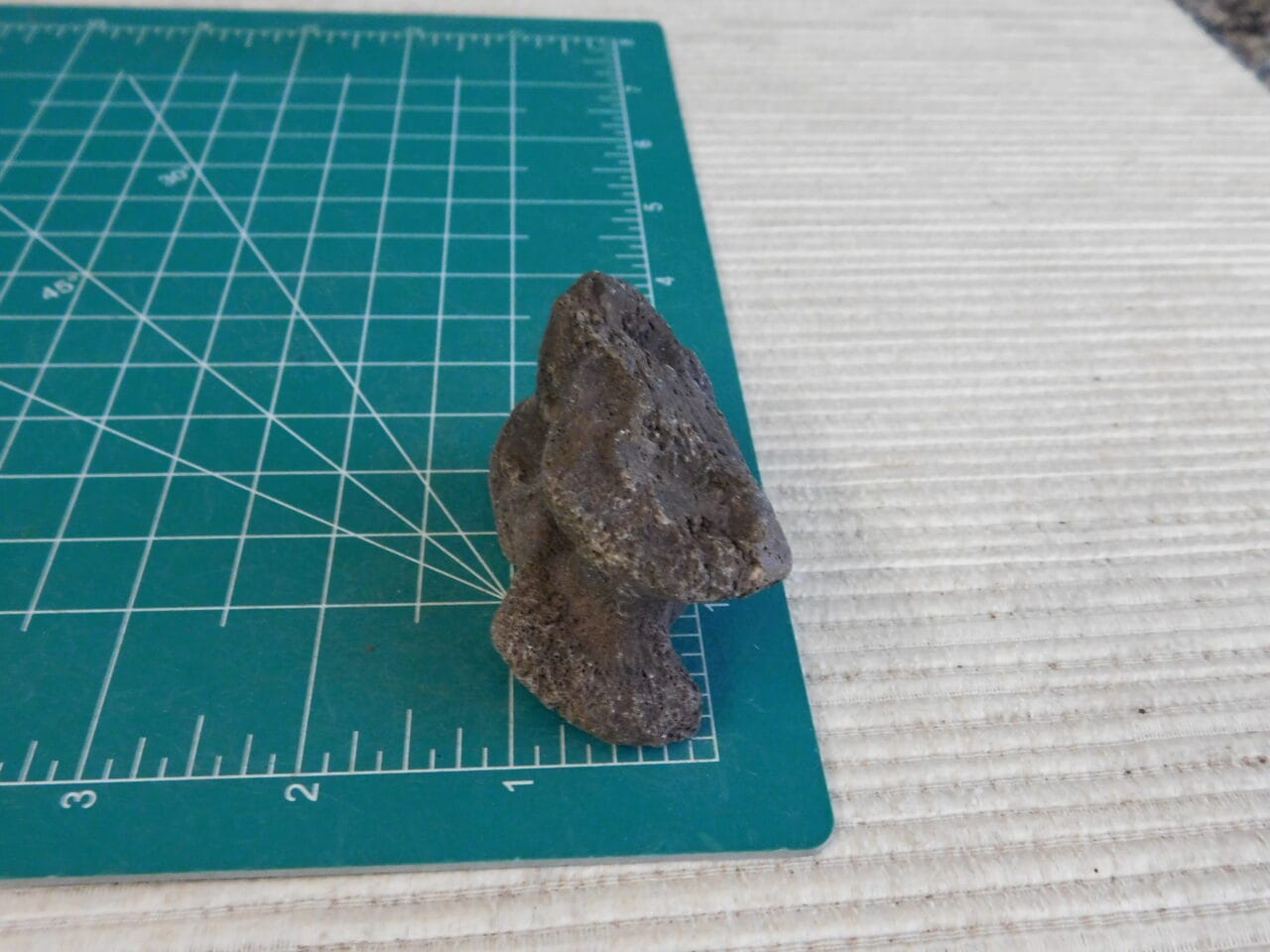
Description
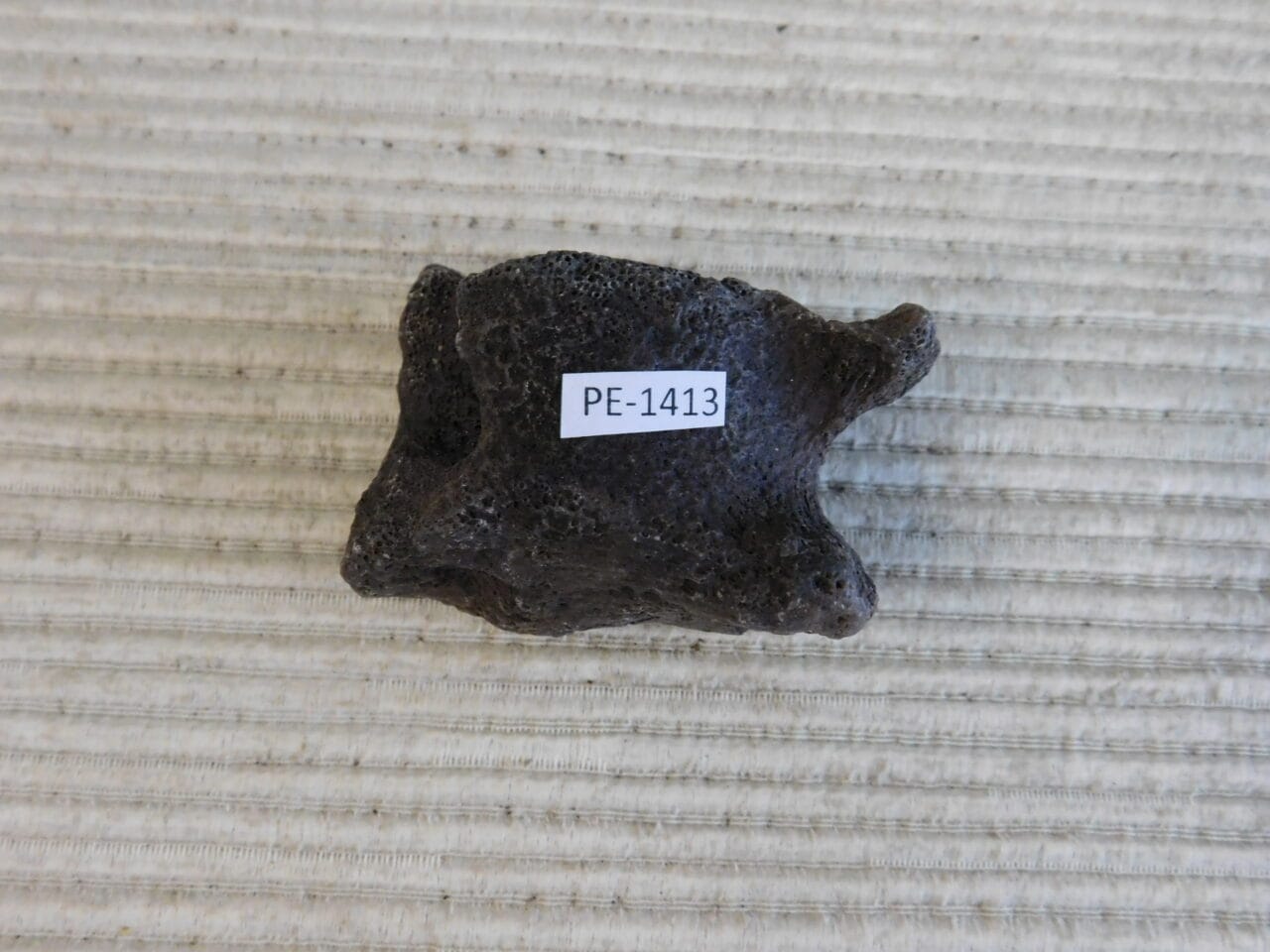
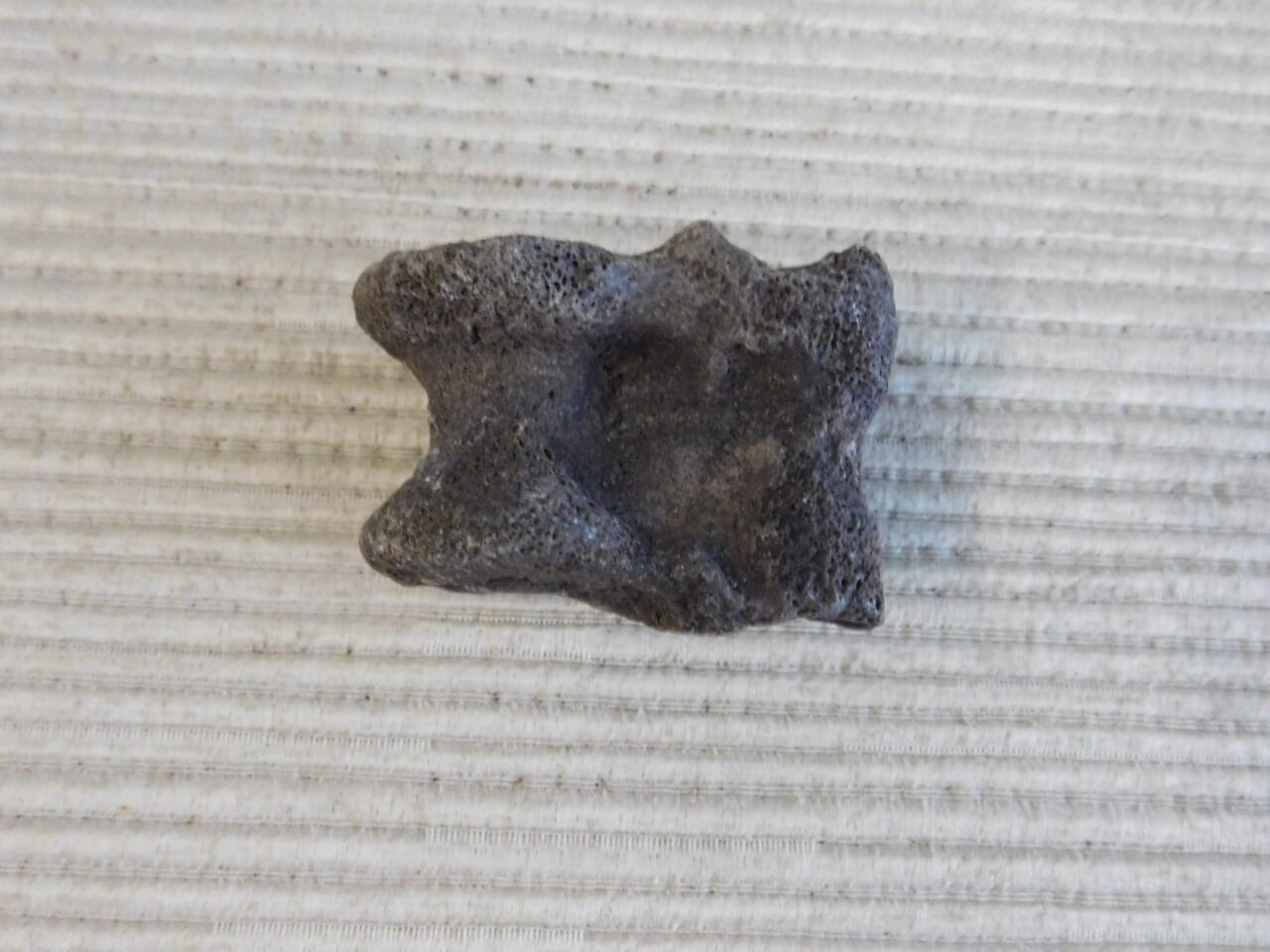
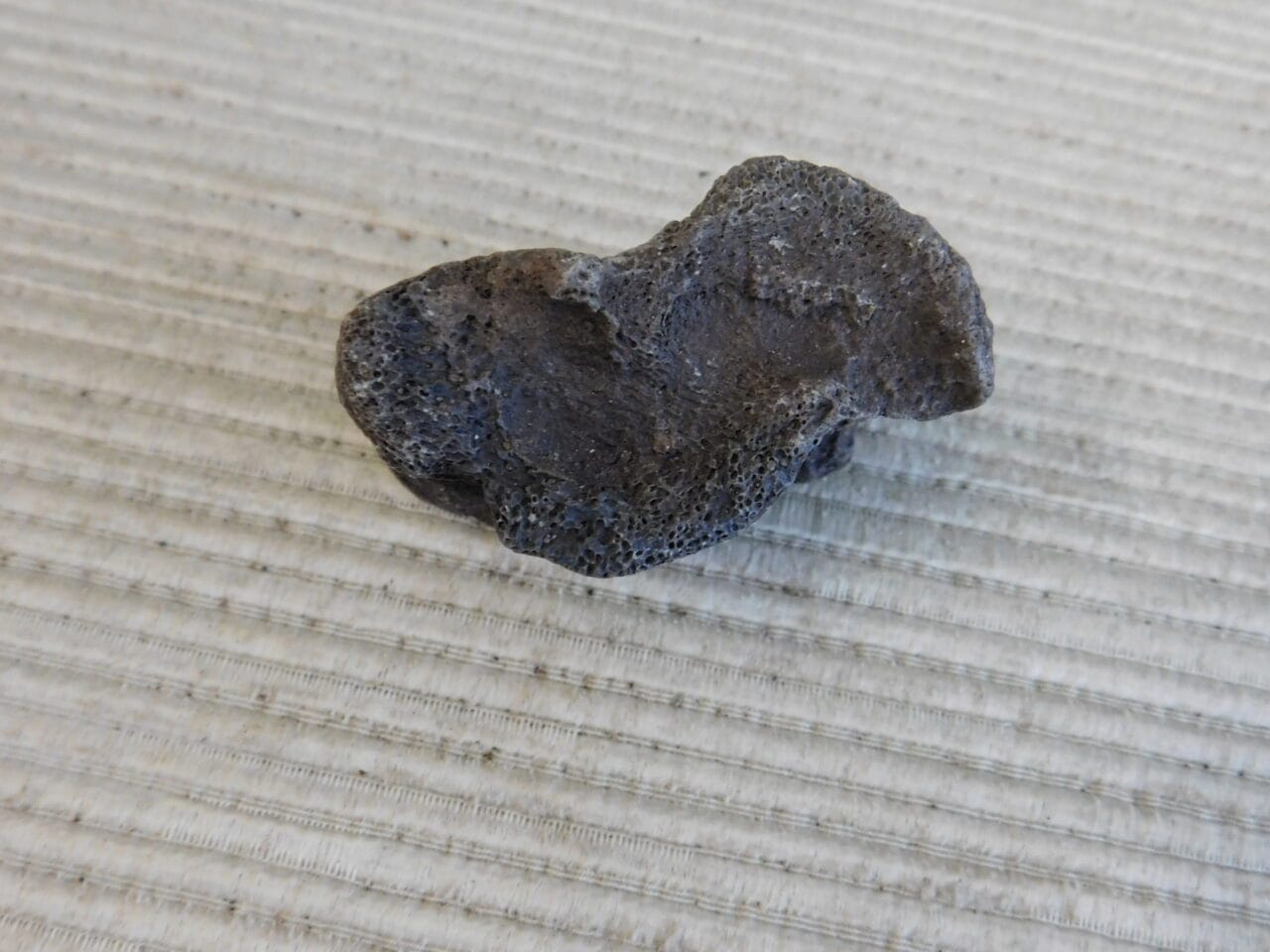
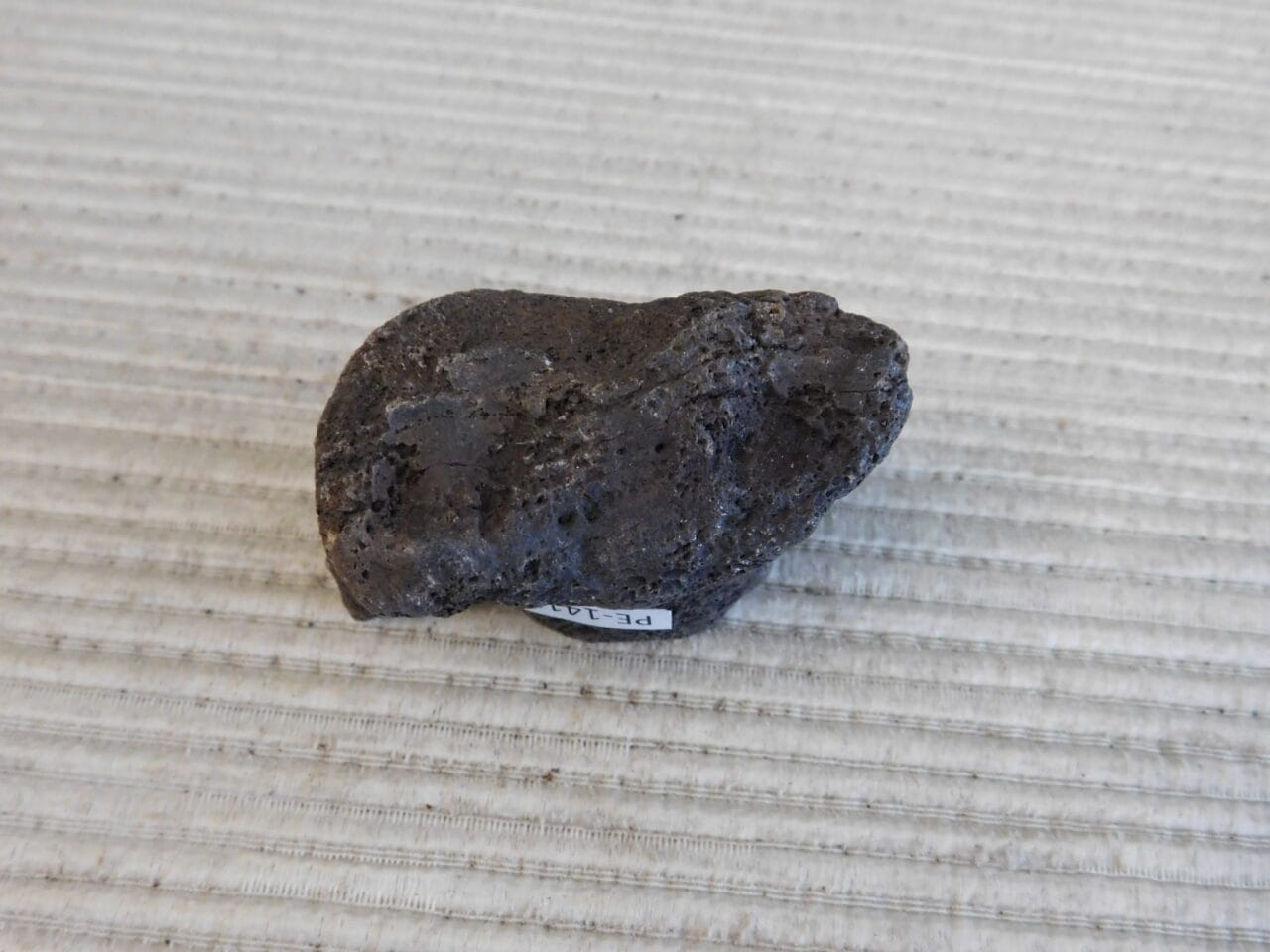
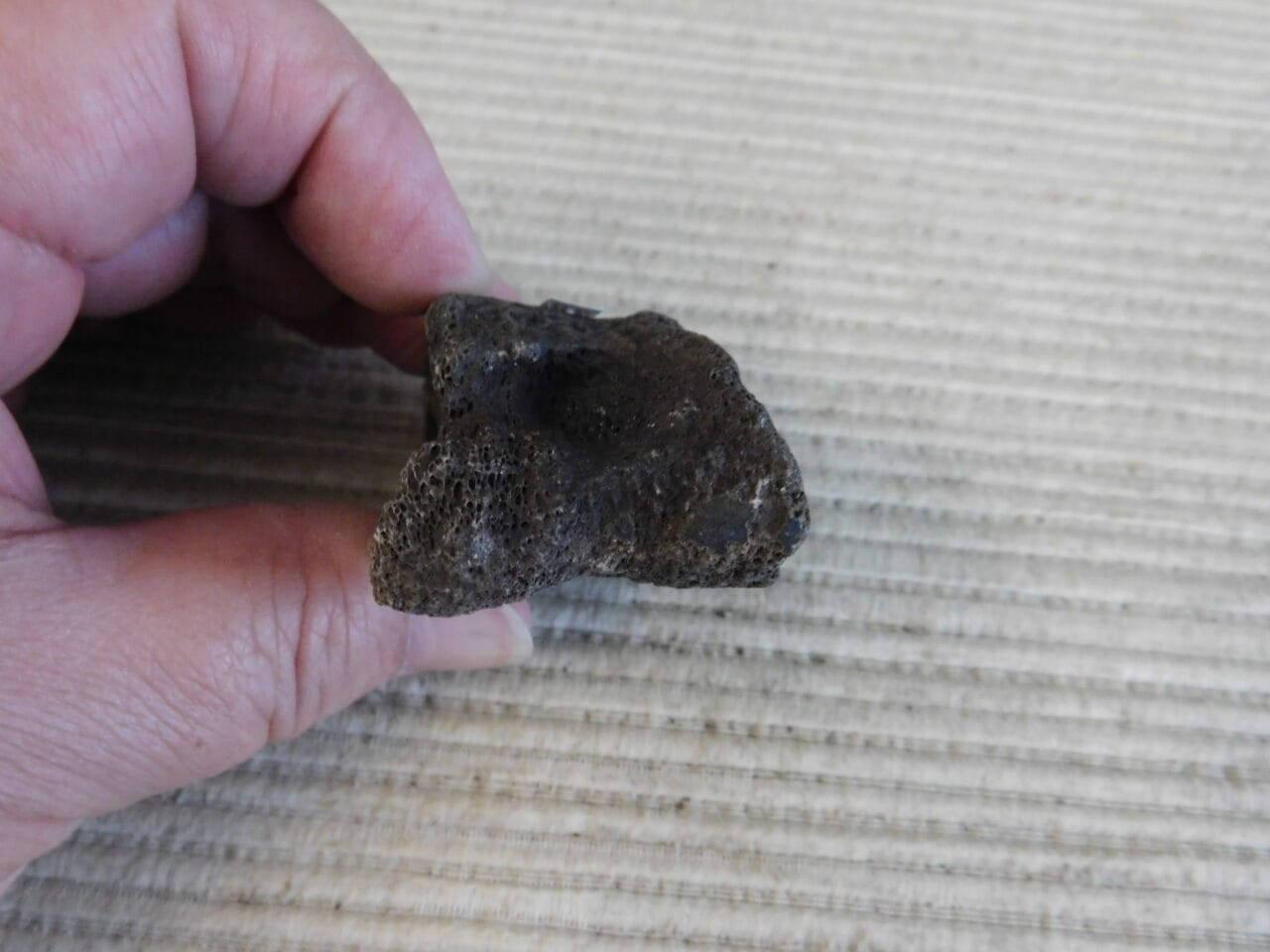
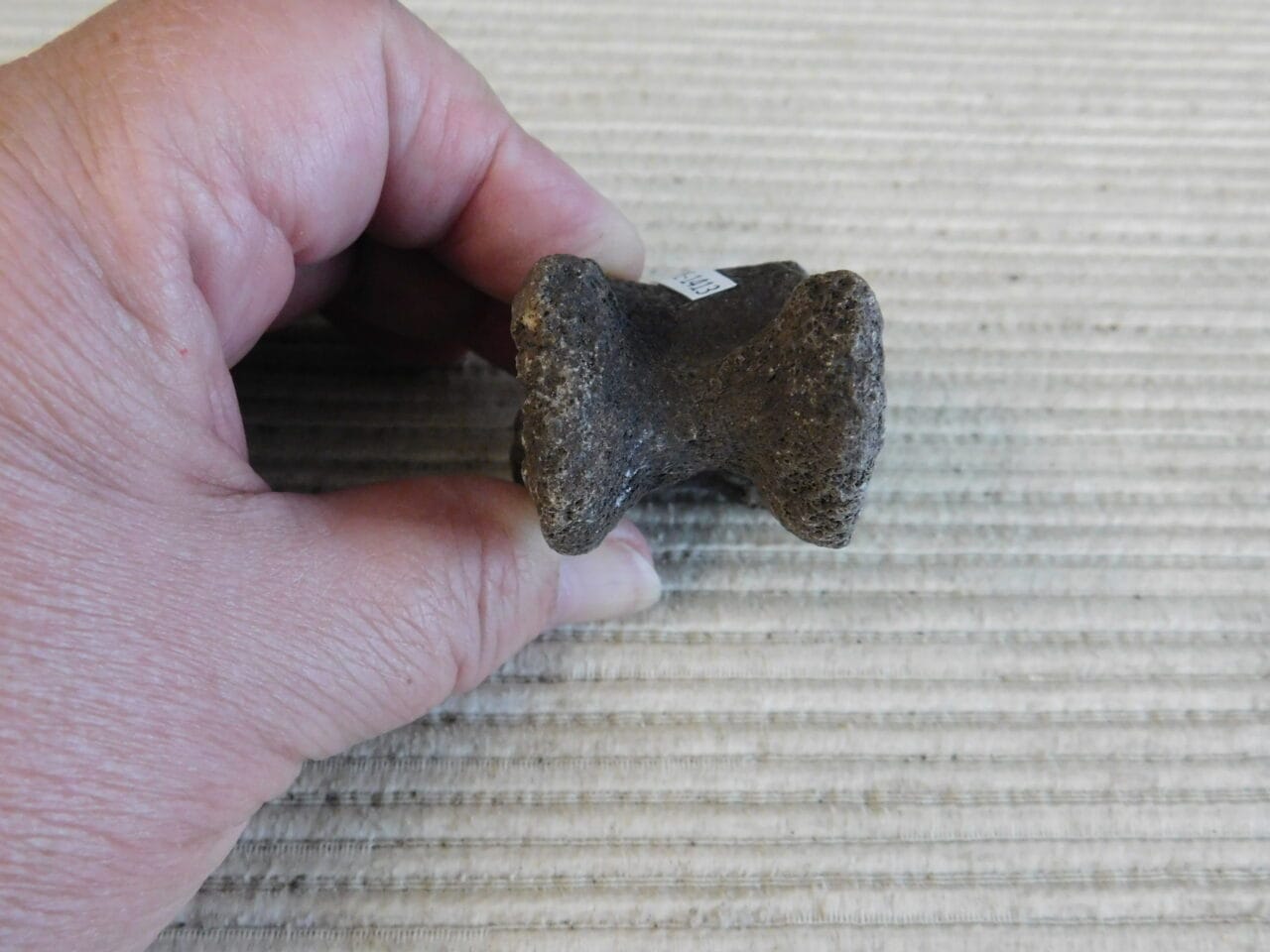
The talus, talus bone, astragalus, or ankle bone is one of the groups of foot bones known as the tarsus. The tarsus forms the lower part of the ankle joint. It transmits the entire weight of the body from the lower legs to the foot.
Odd-toed ungulate is the common name for any of the hoofed, herbivorous, terrestrial mammals comprising the order Perissodactyla, characterized by a pulley-like groove in the proximal surface of the astragalus (a bone in the ankle joint) and an odd number of functional toes (one or three), with the axis of each limb going through the enlarged middle (third) toe. Perissodactyls include such well-known members as horses, zebras, tapirs, and rhinoceroses. Perissodactyla is one of two living orders of ungulates (hoofed mammals), the other being Artiodactyla, the even-toed ungulates, which have a double-pulley astragalus and an even number (two or four) of functional toes.
Camelops is an extinct genus of camel that lived in North and Central America from the middle Pliocene (from around 4-3.2 million years ago) to the end of the Pleistocene (around 13-12,000 years ago). It is more closely related to living camels than to lamines (llamas, alpacas, vicuñas, and guanacos), making it a true camel of the Camelini tribe. Its name is derived from the Ancient Greek κάμηλος (cámēlos, “camel”) and ὄψ (óps, “face”), i.e. “camel-face”. Camelops lived across Western North America, ranging from the Pacific Coast to the Great Plains, southwards to Honduras and northwards to Alaska. Camelops became extinct as part of the end-Pleistocene extinction event, along with most large mammals across the Americas. The extinctions followed the arrival of humans to the Americas, and evidence has been found indicating that humans butchered Camelops, suggesting that hunting may have been a factor in its extinction