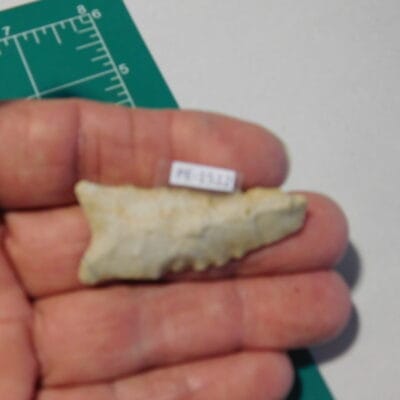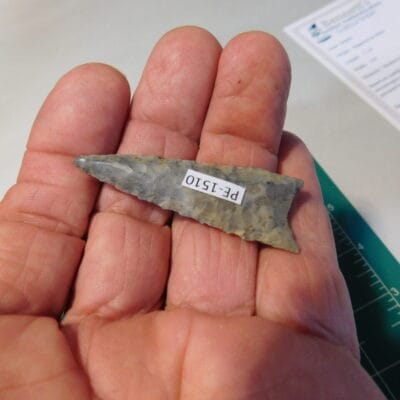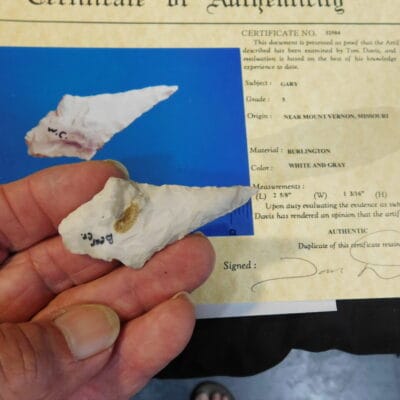
Description
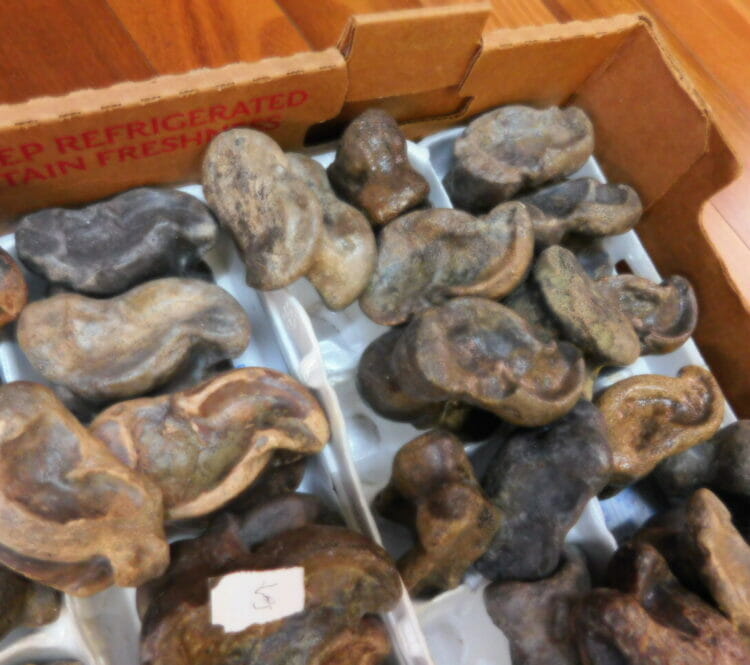
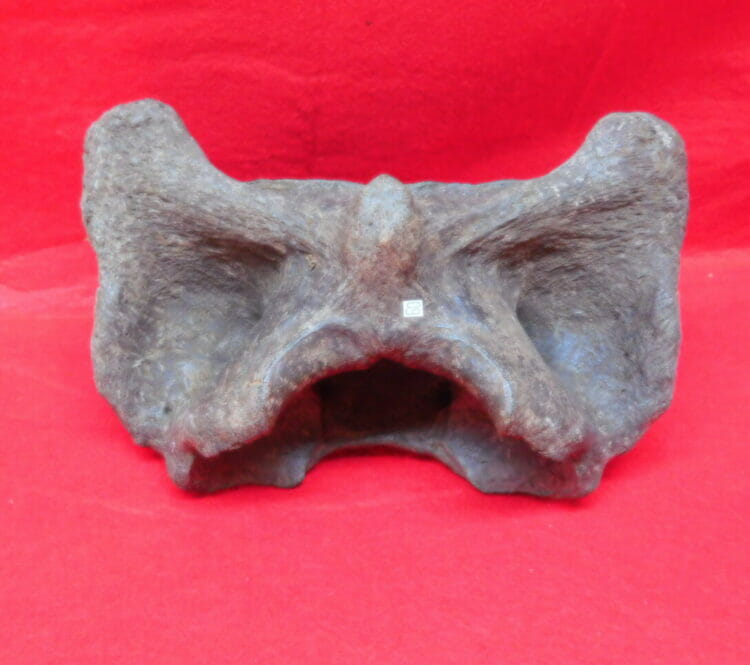
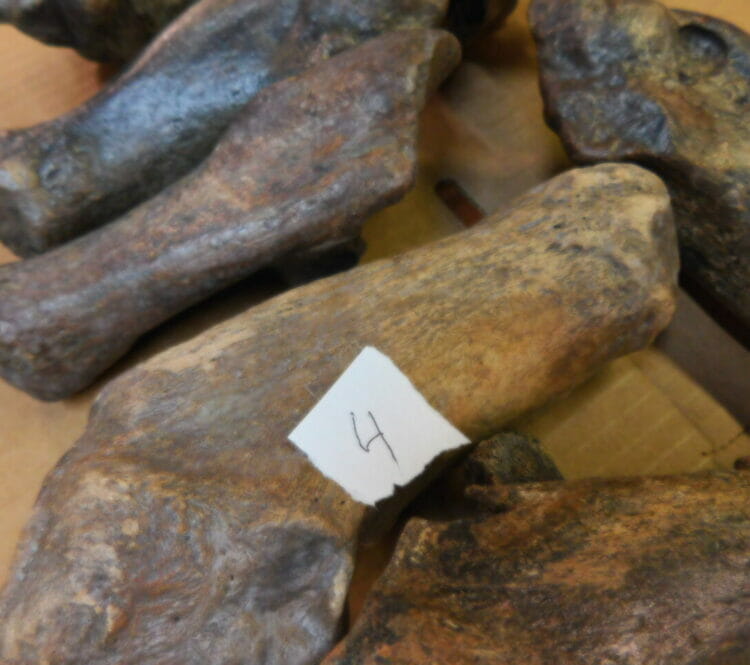
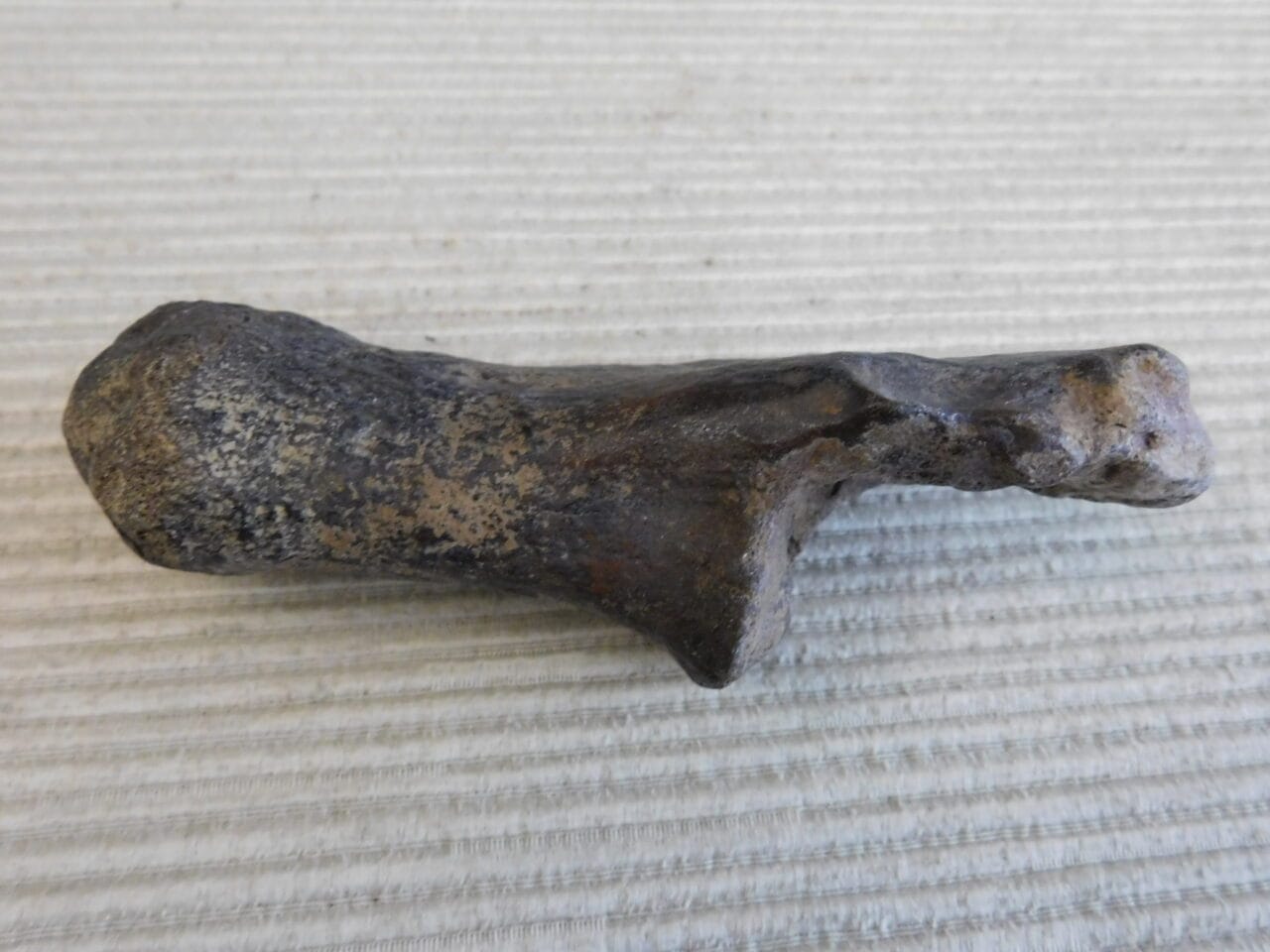
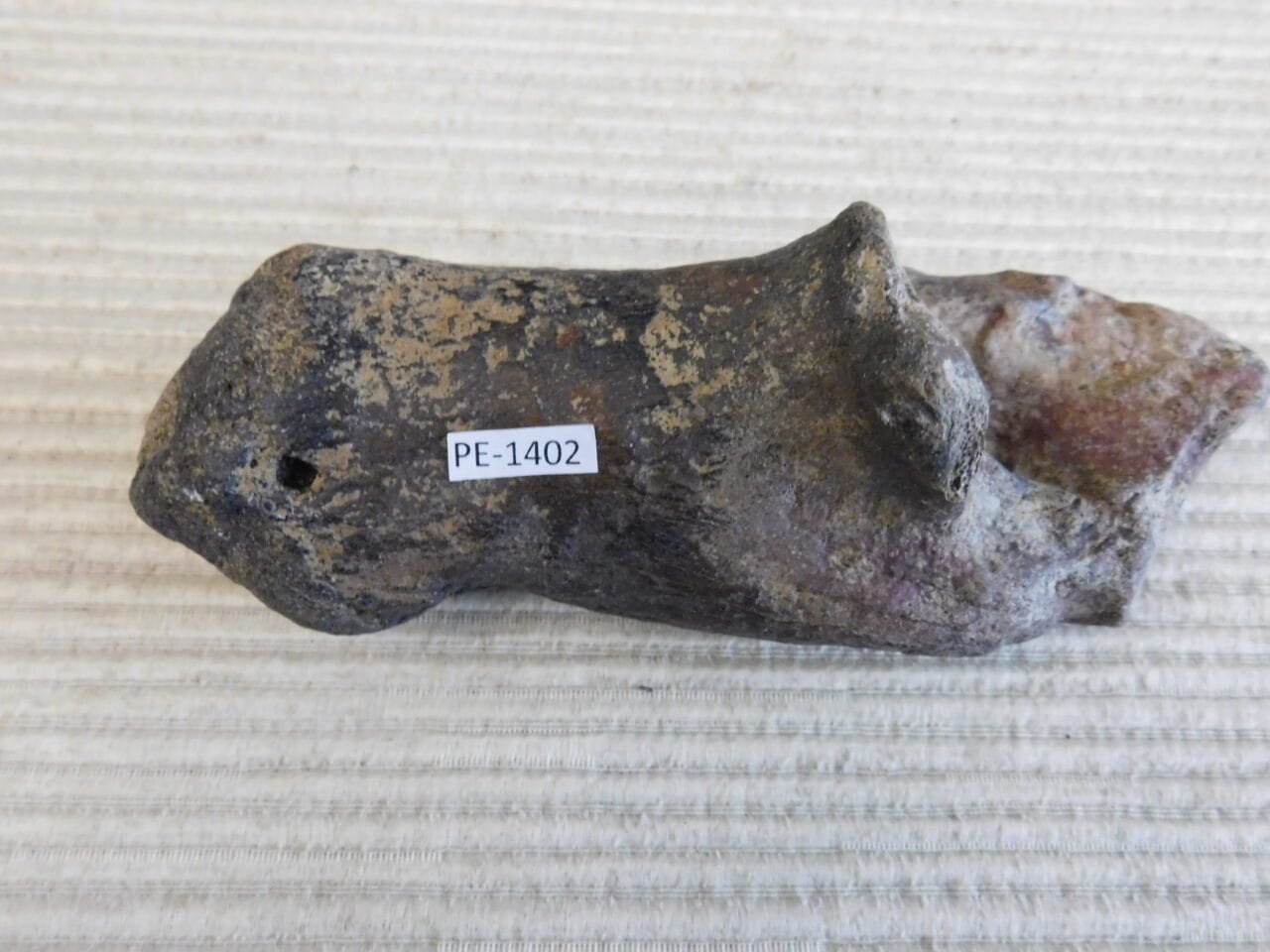
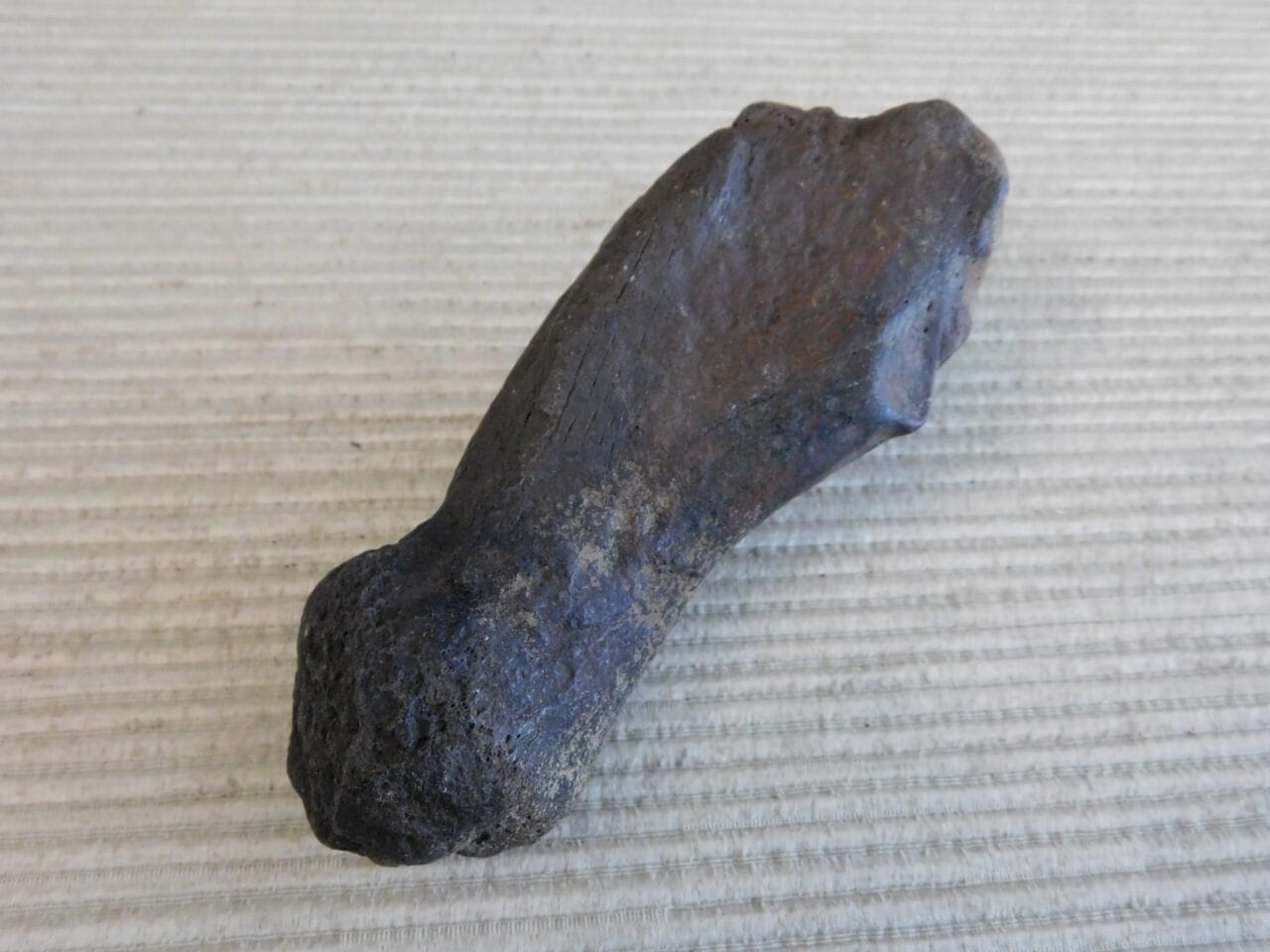
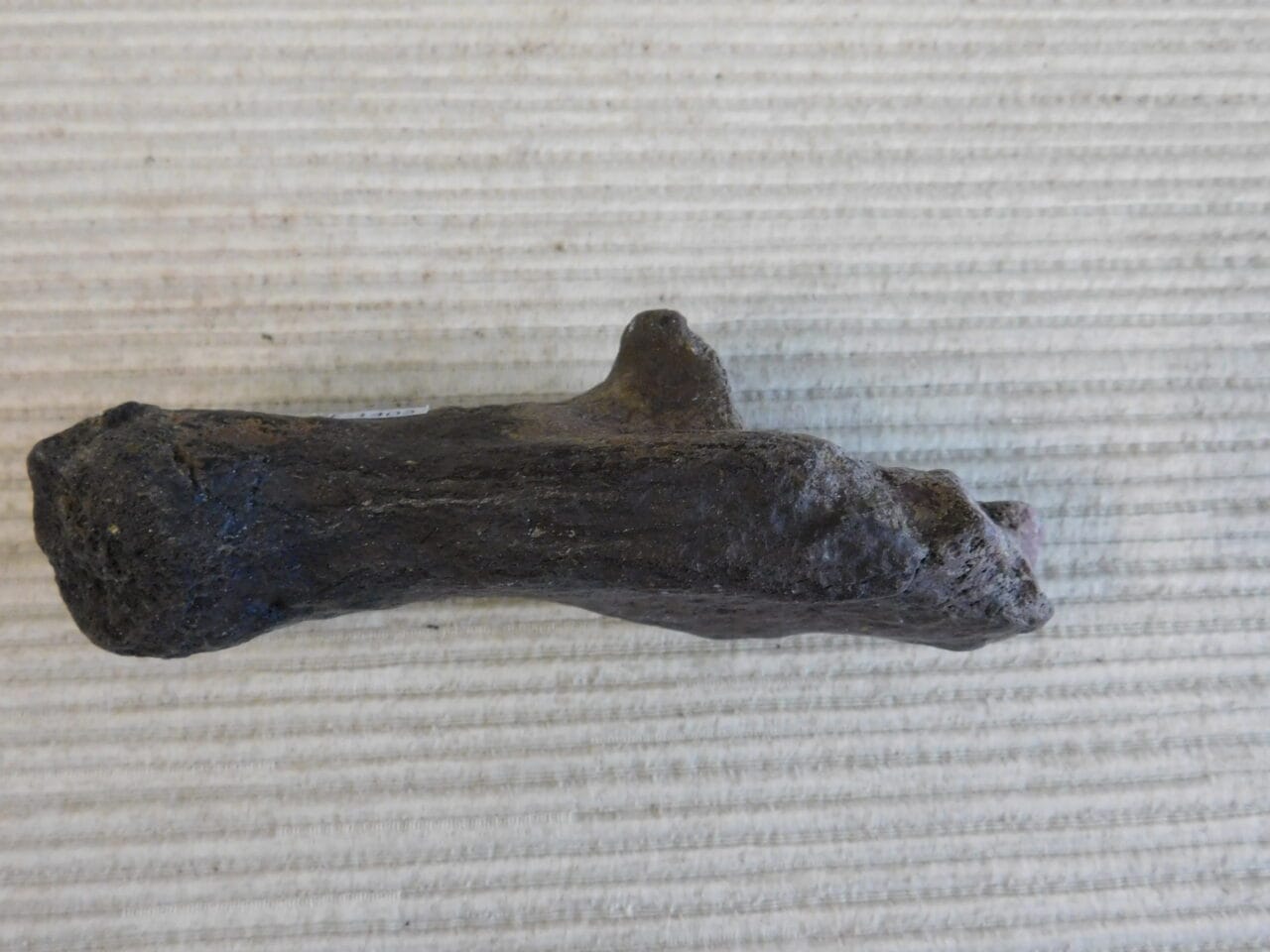
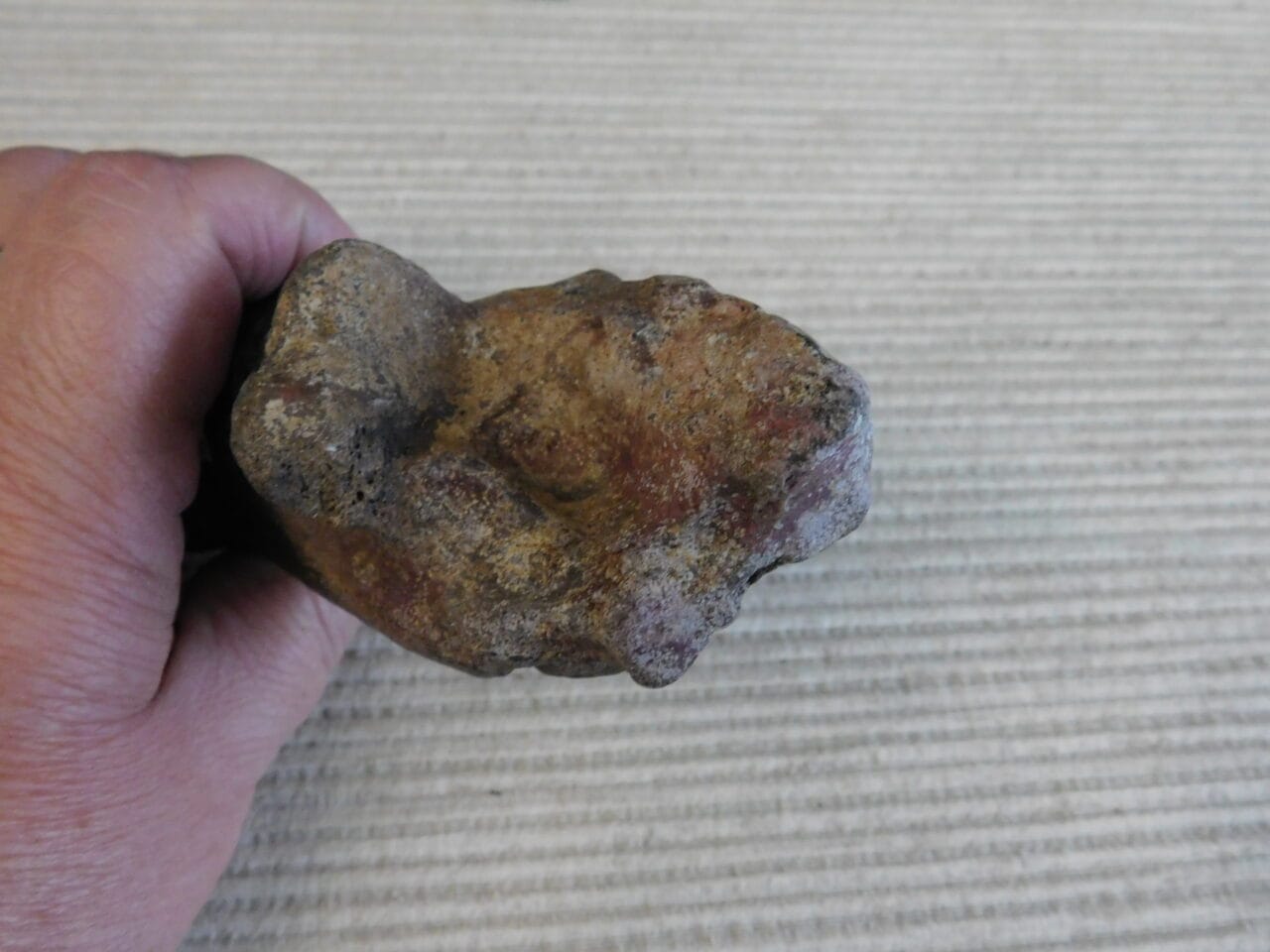
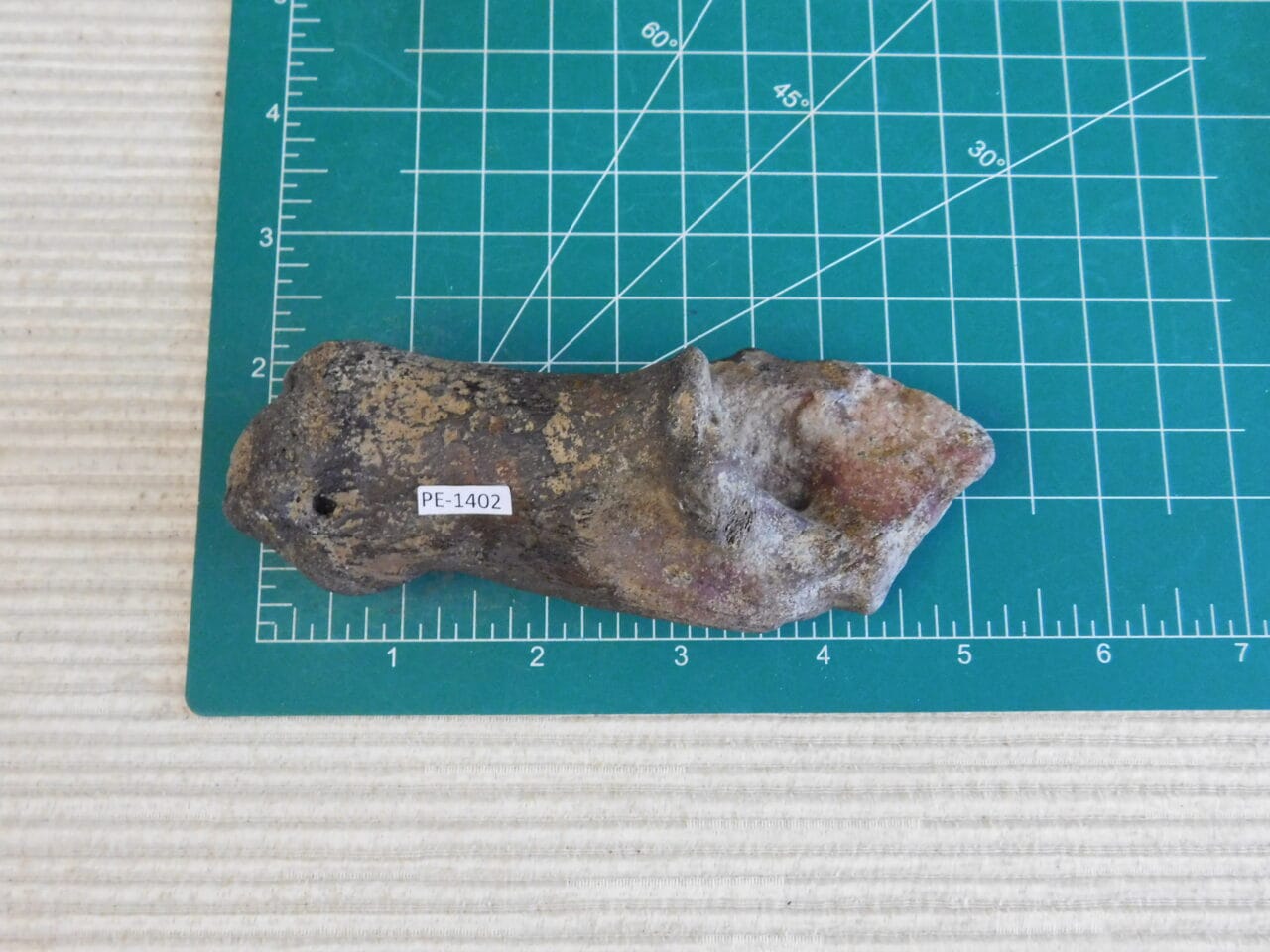
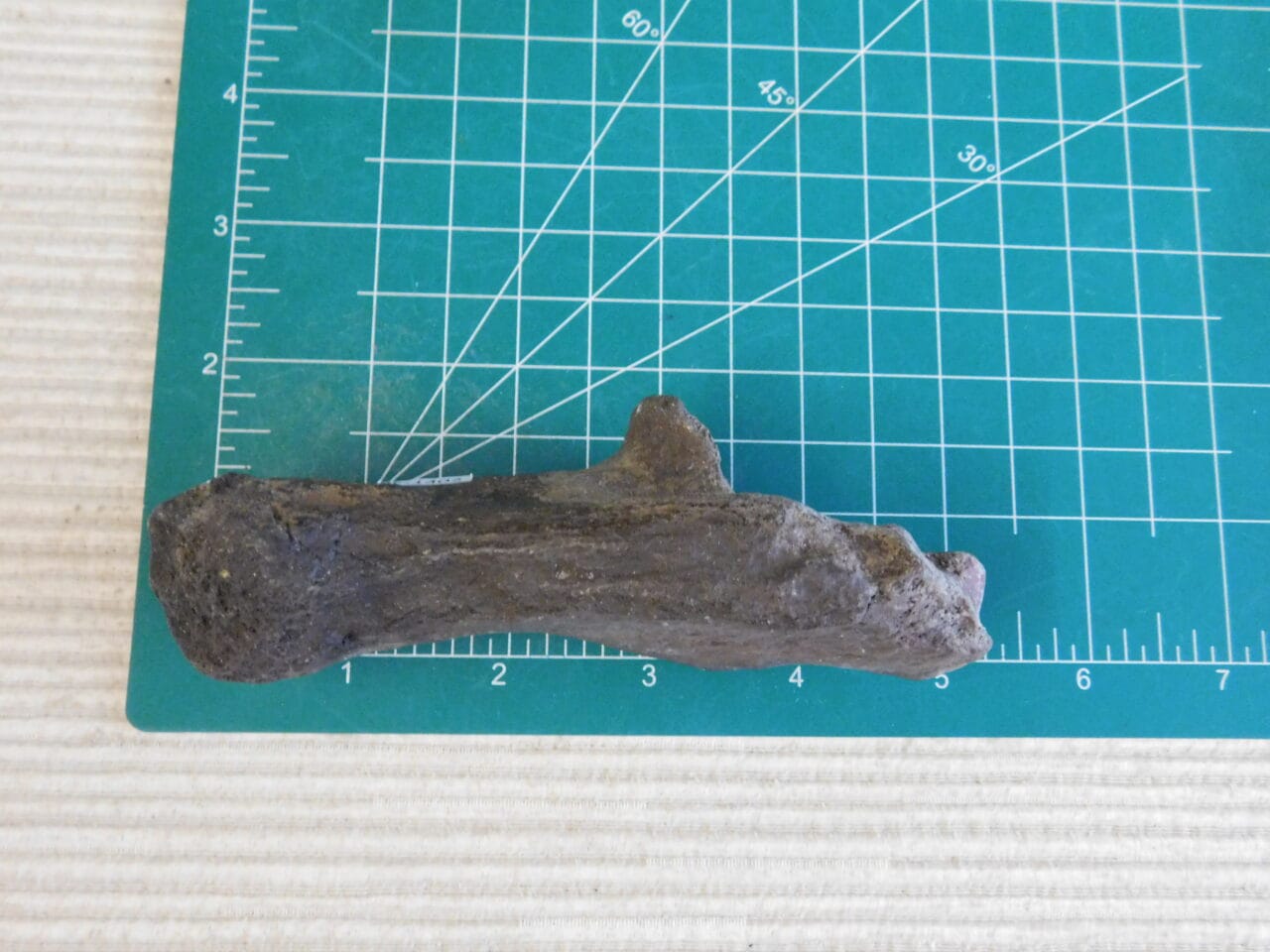
While Calaneus is not a widely recognized genus in the standard taxonomic literature for camels, the term may refer to a fossilized limb bone (a calaneus) from a Pleistocene camel, as seen in some museum collections
Camelops is an extinct genus of camel that lived in North and Central America from the middle Pliocene (from around 4-3.2 million years ago) to the end of the Pleistocene (around 13-12,000 years ago). It is more closely related to living camels than to lamines (llamas, alpacas, vicuñas, and guanacos), making it a true camel of the Camelini tribe. Its name is derived from the Ancient Greek κάμηλος (cámēlos, “camel”) and ὄψ (óps, “face”), i.e. “camel-face”. Camelops lived across Western North America, ranging from the Pacific Coast to the Great Plains, southwards to Honduras and northwards to Alaska. Camelops became extinct as part of the end-Pleistocene extinction event, along with most large mammals across the Americas. The extinctions followed the arrival of humans to the Americas, and evidence has been found indicating that humans butchered Camelops, suggesting that hunting may have been a factor in its extinction